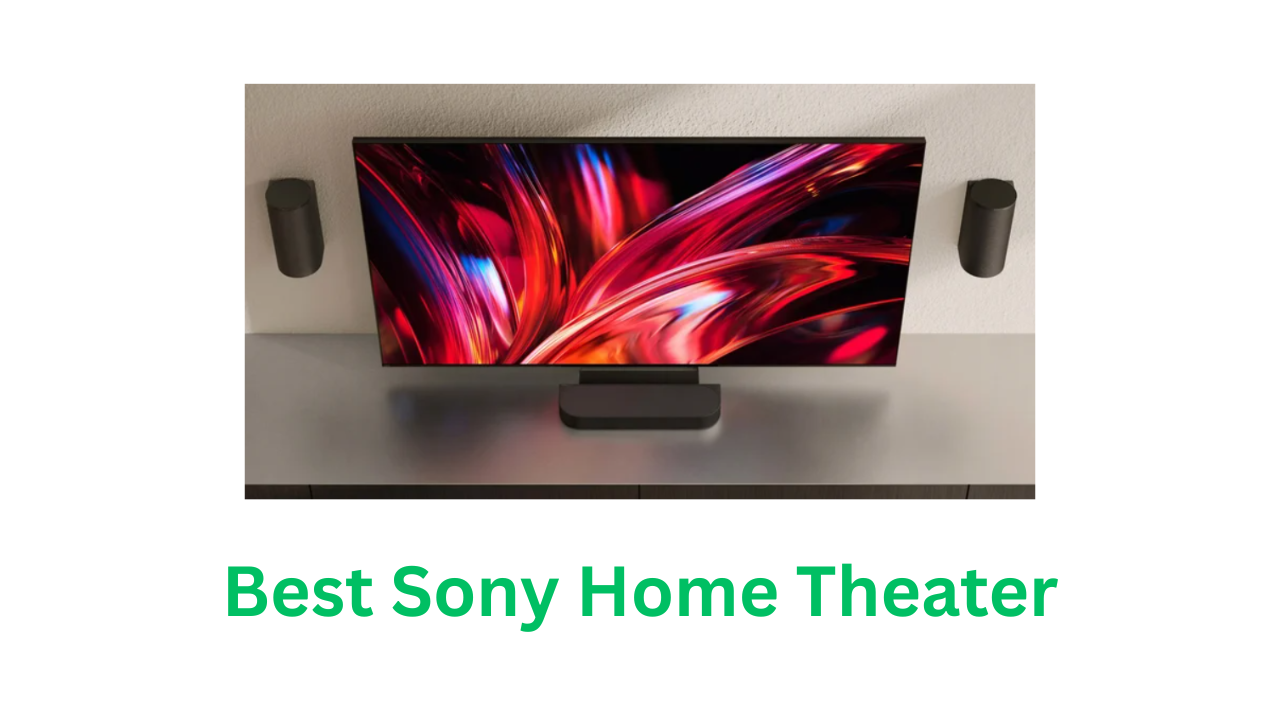
Sony has become one of the strongest brands in the premium home theater market, especially for people who want cinematic sound without building a complicated AV receiver setup. Over the last few years, Sony has focused heavily on wireless surround sound, Dolby Atmos immersion, AI-powered voice clarity, and seamless integration with BRAVIA TVs.
With new systems like the BRAVIA Theater Trio, Theater Bar 7, and Theater Bar 5 entering the market, many buyers are now wondering which Sony home theater features actually matter — and which ones are just marketing buzzwords.
If you are planning to buy a Sony home theater system in 2026, these are the most important features you should understand before spending your money.
1. 360 Spatial Sound Mapping Is Sony’s Biggest Advantage
Sony’s “360 Spatial Sound Mapping” is one of the company’s most impressive technologies right now. Instead of depending only on physical speakers, the system creates virtual surround speakers around your room to simulate a larger cinematic soundstage.
In simple terms, this means:
- Movies feel wider and taller
- Surround effects appear more realistic
- Audio feels less “stuck” to the soundbar
This feature matters most if:
- Your room is small or medium-sized
- You cannot install ceiling speakers
- You want Atmos-like immersion without complicated wiring
In my opinion, this is where Sony currently beats many competitors. Some soundbars sound powerful, but Sony systems often sound more “3D” and room-filling because of their virtual speaker mapping.
2. Dolby Atmos Support Is Essential in 2026
A modern home theater system without Dolby Atmos already feels outdated.
Sony’s latest BRAVIA Theater products support Dolby Atmos and DTS:X for height-based surround sound.
Why does this matter?
Traditional surround sound moves audio left and right. Dolby Atmos adds vertical positioning, so:
- Rain sounds like it falls from above
- Helicopters feel overhead
- Action scenes become more immersive
However, there’s an important buyer tip here:
Real Up-Firing Speakers Matter More Than “Virtual Atmos”
Some cheaper soundbars advertise Atmos support but only simulate it digitally.
Sony’s better systems include dedicated up-firing speakers that physically bounce sound off the ceiling. The BRAVIA Theater Trio and Theater Bar 7 both use this approach.
That produces a noticeably more realistic overhead effect.
3. Wireless Expandability Makes Upgrades Easier
One reason many people choose Sony is flexibility.
Instead of replacing the entire setup later, Sony allows buyers to expand systems gradually with:
- Wireless rear speakers
- External subwoofers
- Additional surround channels
Recent updates even added support for dual subwoofers in some systems.
This matters because many buyers start with:
- A soundbar first
- Then add rear speakers later
- Then upgrade bass performance afterward
That upgrade path is far cheaper than rebuilding a complete home theater setup from scratch.
4. Acoustic Center Sync Creates Better Dialogue
One underrated Sony feature is Acoustic Center Sync.
This feature allows compatible BRAVIA TVs to work together with Sony sound systems so the TV itself becomes part of the center audio channel.
Why is this useful?
Dialogue becomes:
- More centered
- More natural
- Better synchronized with actors on screen
This is especially helpful in:
- Action movies
- Fast dialogue scenes
- Large TV setups
Many people complain that movie dialogue sounds weak compared to explosions or background music. Sony’s center-channel optimization genuinely helps fix that issue.
5. Voice Zoom 3 Is Surprisingly Useful
Sony’s newer systems include AI-powered dialogue enhancement called Voice Zoom 3.
Normally, “voice enhancement” modes sound artificial or harsh.
Sony’s implementation is better because it analyzes dialogue separately from background effects. That means:
- Voices become clearer
- Background music stays balanced
- You do not need constant volume adjustments
If you watch:
- Netflix dramas
- YouTube videos
- Sports commentary
- Late-night TV at low volume
…this feature becomes extremely useful in daily use.
6. HDMI 2.1 Support Matters for Gamers
If you own a PlayStation 5 or gaming PC, HDMI 2.1 support should be a priority.
Some newer Sony soundbars support:
- 4K 120Hz passthrough
- VRR (Variable Refresh Rate)
- ALLM (Auto Low Latency Mode)
This prevents gaming lag and preserves next-gen gaming features.
A surprising number of buyers forget to check this before purchasing a soundbar.
Without HDMI 2.1 passthrough:
- You may lose 120Hz gaming
- Input lag may increase
- VRR may stop working
For PS5 users, Sony systems naturally integrate very well.
7. Sony’s Home Theater Systems Are Designed for BRAVIA TVs
This is important to understand before buying.
Sony systems work with other TV brands, but they are clearly optimized for BRAVIA TVs.
Features like:
- Acoustic Center Sync
- BRAVIA Connect app integration
- Unified remote control
- Faster setup
- Audio optimization
…all work best inside the Sony ecosystem.
So if you already own a Sony TV, staying within the Sony ecosystem usually gives a smoother experience than mixing brands.
8. Compact Design Is Becoming a Major Sony Focus
One trend Sony is clearly pushing in 2026 is smaller hardware with bigger sound.
The BRAVIA Theater Trio, for example, uses:
- Two compact speakers
- A smaller center bar
- Wireless processing
- Virtual surround technology
Instead of huge speaker towers.
This matters for modern apartments and smaller living rooms where:
- Space is limited
- Minimalist design matters
- Cable management becomes annoying
Personally, I think this is the direction the entire home theater industry is heading.
9. Sony’s Bass Performance Is Usually Better With Optional Subs
One thing buyers should know:
Sony soundbars alone often sound balanced, but adding a dedicated subwoofer dramatically improves the experience.
The newer Sub 8 and Sub 9 models are designed specifically for cinematic low-frequency performance.
If you mainly watch:
- Action movies
- Sci-fi films
- Concert videos
- Gaming content
…a subwoofer upgrade is absolutely worth it.
Without it, even premium soundbars can feel slightly thin during explosive scenes.
10. Sony Is Competing More Aggressively Against Sonos and Samsung
Sony’s newest home theater products clearly target:
- Sonos Arc Ultra
- Samsung Q-series soundbars
- Bose Smart Ultra
The interesting part is that Sony now offers:
- More expandability
- Better BRAVIA integration
- Stronger Atmos positioning
- Competitive pricing
Some reviewers even argue Sony now delivers more features than Sonos at lower prices.
That makes Sony one of the strongest options for buyers who want premium home theater performance without entering ultra-expensive custom theater territory.
Final Thoughts
Sony home theater systems are no longer just “good TV speakers.” They are becoming complete cinematic ecosystems built around immersive audio, wireless flexibility, and smart room optimization.
Before buying, focus on these features:
- 360 Spatial Sound Mapping
- Real Dolby Atmos speakers
- HDMI 2.1 gaming support
- Expandable wireless speakers
- Acoustic Center Sync
- Voice clarity improvements
If you already own a Sony BRAVIA TV, staying within Sony’s ecosystem often gives the best overall experience.
But even for non-Sony TV owners, the company’s recent audio lineup has become one of the strongest premium choices available in 2026.